

Our automatic driving school is dedicated to helping learners of all levels become safe and confident drivers. Whether you’re starting from scratch or looking to improve your existing skills, our friendly and experienced instructors provide clear, step-by-step guidance in a calm and supportive environment. We use modern automatic cars and focus on building your confidence on the road so you’re fully prepared for your driving test and everyday driving. Many learners have trusted us to help them pass — now it’s your turn to get started with a team that puts your success first.
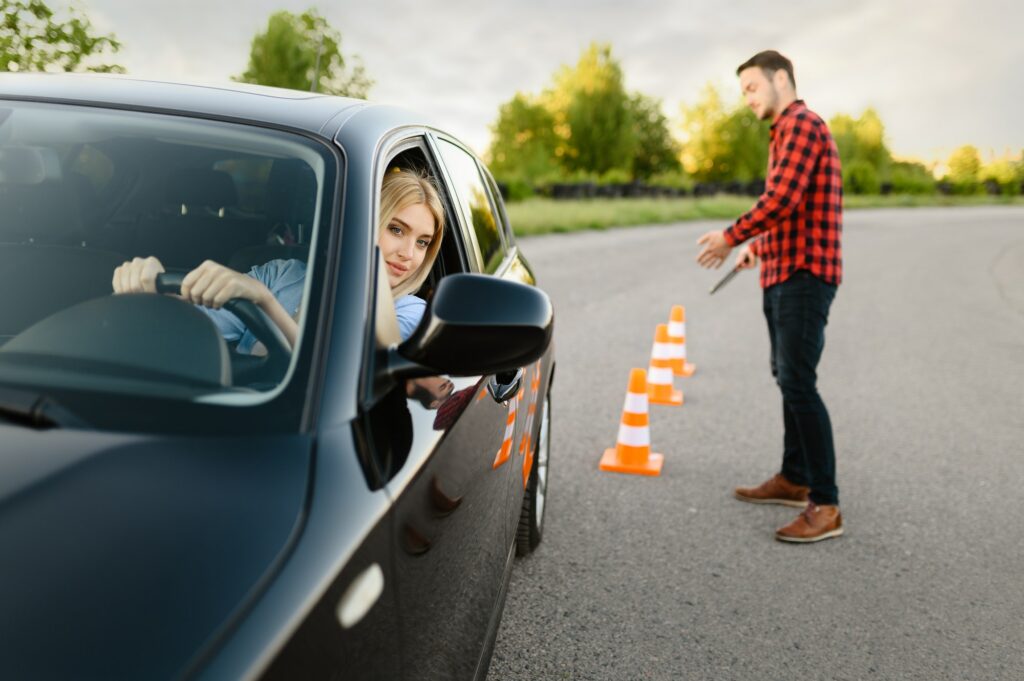
Want to run your own successful driving school? Join our growing network by becoming a franchise partner. With full training, ongoing support, and a trusted brand name, we make it easy for you to start and grow your own driving school business. Whether you’re an experienced instructor or looking to start fresh, our franchise model is designed to help you succeed from day one.
Learning how to drive an automatic car is often considered easier than learning manual. With no clutch or gear stick to worry about, automatic driving allows new learners to focus more on the road and less on vehicle mechanics. If you’re starting your driving journey, this guide will walk you through the essentials of driving an automatic car with ease and confidence.
Automatic cars don’t have a traditional gear stick. Instead, you’ll see a gear selector with letters such as:
P (Park) – Used when the car is stationary and turned off
R (Reverse) – For reversing
N (Neutral) – Disengages the engine from the wheels
D (Drive) – For normal driving
L or S (Low or Sport) – Used for uphill driving or engine braking
Before starting the engine, make sure the gear is in ‘P’ and your foot is on the brake.
To start driving, press the brake pedal, turn the ignition, and shift the gear from ‘P’ to ‘D’. Always check your mirrors and surroundings before moving. Adjust your seat and mirrors for optimal visibility, and make sure you understand all the dashboard indicators.
Unlike manual cars, automatic vehicles have only two pedals:
Right pedal (Accelerator)
Left pedal (Brake)
Use your right foot for both pedals and never use your left foot while driving. Press the accelerator gently to move forward and the brake to slow down or stop.
Automatic cars do the gear shifting for you, so your main focus should be:
Smooth steering and lane discipline
Maintaining a safe and steady speed
Observing traffic signs and signals
Keeping a safe distance from other vehicles
This simplicity makes automatic cars ideal for city driving and beginners.
Parallel parking, bay parking, and three-point turns are still essential skills in automatic driving. Use reference points and mirrors, and practise in quiet areas before attempting these manoeuvres in busy environments. A qualified instructor can guide you through these techniques with hands-on training.
If you’re serious about learning quickly and correctly, a professional instructor can make a big difference. One-on-one lessons allow you to build confidence and master skills at your own pace. To find the right help, explore this useful guide:
Private Driving Instructor Near Me
You’ll find advice on choosing a reliable instructor who specialises in automatic driving lessons near you.


